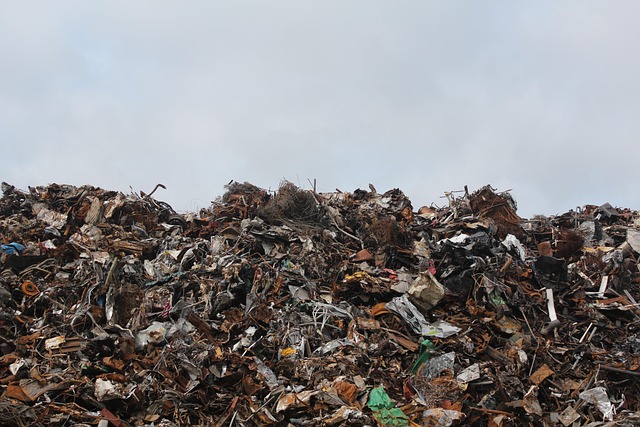


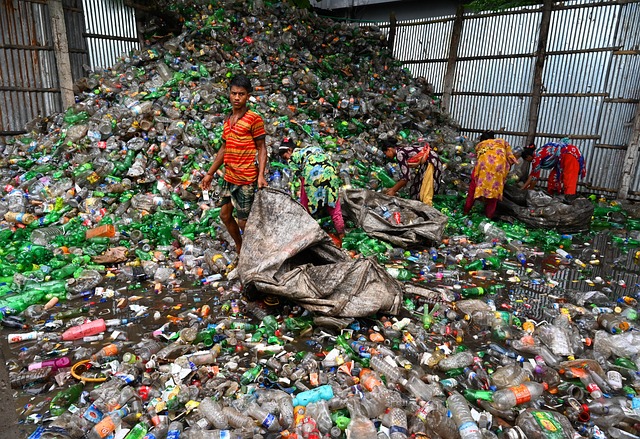





New York City's growing e-waste challenge demands strategic solutions. Commercial e-waste recycling Manhattan services play a vital role in managing electronic waste responsibly. Certified recyclers offer secure data destruction, proper material handling, and resource conservation through office events and accessible drop-off locations. Reputable centers like GreenTech Recycling ensure compliance and environmental stewardship, enabling businesses to recycle up to 3 times annually. Manhattan residents and businesses can contribute to sustainable urban living by understanding best practices and utilizing local collection points for commercial e-waste recycling Manhattan. These initiatives not only benefit the environment but also create job opportunities in green sectors.
E-waste is a growing concern in urban centers like New York City, with millions of devices reaching their end of life each year. The proper management and recycling of electronic waste are essential to mitigating environmental harm and recovering valuable resources. Despite the availability of drop-off locations throughout NYC, many residents, especially in commercial hubs like Manhattan, face challenges finding convenient and accessible points for responsible e-waste disposal. This article explores the comprehensive network of e-waste drop-off sites across the city, with a particular focus on enhancing accessibility for Manhattan’s businesses, providing a practical guide to sustainable electronic recycling practices.
- Understanding E-Waste in NYC: The Issue at Hand
- Identifying Commercial Recycling Partners Across Manhattan
- Navigating Drop-Off Processes: Step-by-Step Guide
- Best Practices for Responsible Disposal of Electronics
- The Impact and Benefits of Local E-Waste Recycling
Understanding E-Waste in NYC: The Issue at Hand

New York City, a bustling metropolis with a vibrant technological landscape, faces a pressing challenge: managing the growing influx of e-waste. With Manhattan’s thriving tech sector and high rate of electronic device adoption, understanding and addressing e-waste management is more critical than ever. Commercial e-waste recycling in Manhattan has become a crucial component in the city’s sustainable future.
The issue of e-waste, especially in densely populated urban areas like NYC, is multifaceted. E-steward certified recyclers across the city play a vital role in harnessing this growing problem. According to recent data, New York City generates over 30,000 tons of e-waste annually, with Manhattan contributing significantly due to its high concentration of businesses and residents utilizing advanced electronics. Electronic devices, from computers and phones to small appliances, reach the end of their lifespans at an alarming rate, leading to a constant stream of e-waste that requires responsible disposal and recycling.
Addressing this issue necessitates a strategic approach. Manhattan office electronics recycling events have become popular initiatives, allowing businesses and residents to responsibly dispose of unwanted electronics. These events not only promote environmental stewardship but also ensure that valuable resources are recovered and reused. By partnering with certified recyclers like e-Steward, NYC can guarantee the secure and eco-friendly processing of e-waste, ensuring hazardous materials are handled correctly and resources are conserved. Regular collection events and accessible drop-off locations, such as those offered by commercial e-waste recycling Manhattan services, are essential steps towards a more sustainable future for the city.
Identifying Commercial Recycling Partners Across Manhattan

Identifying reliable commercial e-waste recycling partners in Manhattan is crucial for businesses looking to responsibly manage their electronic waste. The city’s stringent regulations on computer disposal services necessitate strategic choices when selecting a partner. With proper e-waste management for businesses, Manhattan companies can minimize environmental impact and ensure compliance.
Several reputable recycling centers for electronics in NYC offer specialized commercial services tailored to meet the unique needs of businesses. For instance, companies like GreenTech Recycling and Recycle My Electronics provide comprehensive solutions, including on-site data destruction and secure transportation of e-waste. These partners not only facilitate efficient recycling processes but also contribute to a circular economy by repurposing valuable materials from retired electronics. Data from the U.S. Environmental Protection Agency (EPA) highlights the growing importance of such efforts: in 2020, nearly 3 million tons of electronic waste were generated in the US, emphasizing the need for effective e-waste management strategies.
When selecting a commercial recycling partner, consider factors like certifications, equipment destruction capabilities, and environmental stewardship practices. Manhattan businesses should aim to choose providers that align with their sustainability goals and comply with local regulations. Additionally, leveraging online resources and industry networks can aid in identifying top-rated recyclers who specialize in computer disposal services Manhattan offers. By adopting these strategic approaches, businesses can ensure their e-waste is handled responsibly while contributing to the city’s overall environmental initiatives.
Navigating Drop-Off Processes: Step-by-Step Guide

Navigating Drop-Off Processes for Commercial E-Waste Recycling Manhattan
If you’re a business owner in New York City looking to responsibly recycle e-waste, understanding the drop-off process is crucial. With proper planning and adherence to guidelines, commercial e-waste recycling Manhattan can be seamless and effective. Let’s break down this process step-by-step.
First, identify authorized drop-off locations. NYC offers numerous options for businesses to recycle electronics, including dedicated e-waste facilities and partnerships with local recyclers. For instance, the city’s Department of Sanitation operates several e-waste collection events throughout the year. Additionally, many tech retailers and manufacturers provide take-back programs for old devices like smartphones and tablets NYC, integrating convenient drop-off points during purchase or at store locations.
Next, categorize your e-waste accurately. Electronics range from computers and servers to phones, tablets, and even small appliances. Proper classification ensures these items are recycled appropriately. For example, data center asset recovery involves specialized handling of server equipment due to the sensitive nature of stored data. Ensure you know what categories apply to your business and prepare accordingly.
When preparing your e-waste for drop-off, secure devices with all personal data removed or encrypted. This step is vital to protect customer information and prevent potential identity theft. Additionally, disassemble larger items where possible, such as computers and monitors, to facilitate recycling. Many facilities provide guidelines on what to include and how to package items safely.
Finally, contact the drop-off location in advance for specific instructions and any requirements. Some sites may have restrictions or additional procedures for certain types of e-waste. This proactive approach ensures a smooth drop-off process and allows you to make informed decisions about recycling old electronics in NYC 1-3 times annually, contributing to sustainable practices and minimizing environmental impact.
Best Practices for Responsible Disposal of Electronics

Navigating the responsible disposal of electronic waste is a crucial aspect of sustainable living, especially in densely populated urban centers like New York City. For Manhattan residents and businesses looking to dispose of their electronic equipment ethically, understanding the best practices for e-waste drop-off locations NYC offers is essential. This guide provides an in-depth look at ensuring proper commercial e-waste recycling Manhattan relies on while highlighting local collection points that make eco-conscious disposal accessible.
The city’s robust network of commercial e-waste recycling centers ensures that electronics from Manhattan offices can be responsibly transformed into valuable resources. For instance, many facilities offer drop-off programs for items like computers, phones, and servers, allowing businesses to contribute to the circular economy. According to recent data, proper electronic equipment disposal Manhattan engages in can divert significant amounts of materials from landfills, reducing environmental impact. Local e-waste collection points are often equipped with the latest technology to process diverse electronic components safely, including hazardous materials like lead and mercury.
When selecting an e-waste drop-off location, consider factors such as convenience, security, and certification. Reputable centers in Manhattan hold certifications that guarantee secure data deletion and responsible recycling practices. For instance, some facilities offer on-site data destruction for businesses concerned with privacy. This multi-layered approach to commercial office electronics recycling ensures that sensitive information remains secure while the environmental benefits of proper disposal are maximized. By adhering to these best practices, Manhattan’s tech-centric community can actively contribute to a greener future.
The Impact and Benefits of Local E-Waste Recycling
The impact and benefits of local e-waste recycling in New York City (NYC) are profound, particularly when considering the vast amount of electronic waste generated each year. Manhattan, as a bustling business hub, contributes significantly to this challenge. Commercial e-waste recycling Manhattan services play a crucial role in mitigating environmental harm and fostering sustainable practices. According to recent NYC data center asset recovery reports, businesses generate over 20,000 tons of electronic waste annually, underscoring the pressing need for efficient e-waste management.
Local drop-off locations offer convenient solutions, enabling Manhattan businesses to responsibly dispose of outdated equipment. These facilities employ advanced technologies for e-waste processing, ensuring that materials are recycled or reused effectively. For instance, many programs specialize in data center asset recovery, securely erasing data and dismantling hardware for component reuse, reducing the environmental footprint associated with electronic devices. By partnering with these local initiatives, businesses can stay compliant with NYC’s strict recycling regulations while contributing to a circular economy.
The benefits extend beyond environmental conservation. Effective e-waste management reduces the risk of toxic substance release into soil and water bodies, commonly associated with improper disposal methods. Moreover, it creates job opportunities in the growing green sector, as skilled technicians handle complex recycling processes. For Manhattan businesses looking to enhance their sustainability profile, regular participation in e-waste drop-off events is an actionable step towards a greener future. This proactive approach not only minimizes environmental impact but also positions companies as responsible corporate citizens.
In conclusion, this comprehensive guide has illuminated the crucial role of commercial e-waste recycling Manhattan plays in addressing a pressing urban challenge. By understanding the nature of e-waste, readers are equipped to navigate the city’s recycling ecosystem effectively. Identifying trusted commercial partners offers practical solutions for businesses aiming to responsibly dispose of electronics. The step-by-step guide ensures accessibility, fostering a culture of sustainable practices. Furthermore, recognizing the environmental impact and benefits reinforces the importance of local e-waste management. Key insights encourage proactive engagement with authorized drop-off locations, ensuring a greener future for New York City and beyond.