Manhattan's commercial e-waste recycling initiatives are pivotal for sustainable urban development. Specialized services recover valuable materials, promote circular economy, and reduce environmental impact. Partnerships with tech companies and certified recyclers ensure compliance and ecological benefits. Advanced sorting machinery, data analytics, and closed-loop recycling enhance efficiency. Educational campaigns and community engagement drive participation. These efforts solidify Manhattan's position as a global leader in eco-friendly e-waste management.
As the world grapples with the escalating issue of electronic waste, or e-waste, finding sustainable solutions has become a pressing necessity. Commercial e-waste recycling in Manhattan and beyond is a testament to our growing awareness of environmental impact. The problem lies in the rapid obsolescence of tech, leading to vast quantities of hazardous materials ending up in landfills. These include toxic substances like lead, mercury, and cadmium, posing significant risks to human health and ecosystems.
This article delves into innovative eco-friendly tech waste solutions, exploring strategies to mitigate these challenges and foster a greener future for our planet.
- Understanding Commercial E-Waste Recycling in Manhattan
- The Impact of Tech Waste on Local Ecosystems
- Best Practices for Eco-Friendly Electronics Disposal
- Government Initiatives for Sustainable Recycling Solutions
- Innovative Technologies in E-Waste Management
- Community Engagement: Empowering Green Recycling Habits
Understanding Commercial E-Waste Recycling in Manhattan

Manhattan, a bustling metropolis known for its relentless pace, also faces a significant environmental challenge: e-waste management. Commercial e-waste recycling Manhattan has emerged as a critical strategy to mitigate the environmental impact of electronic waste generated by businesses across the city. This urban center, with its dense population and thriving tech industry, produces vast amounts of electronic devices that reach their end-of-life each year.
Effective commercial e-waste recycling in NYC involves specialized services tailored to meet the unique needs of local businesses. These services extend far beyond simple collection and disposal, offering sustainable IT solutions that include data destruction, component recovery, and responsible repurposing. For instance, many reputable computer recycling NYC business partners with local tech startups and enterprises to facilitate seamless transitions to new hardware while ensuring secure data erasure. According to recent studies, proper e-waste recycling services can recover valuable materials such as gold, silver, copper, and rare earth elements from obsolete electronics—a significant step towards a more circular economy.
Businesses across Manhattan can actively contribute to a greener future by prioritizing eco-friendly tech waste solutions. One practical step is to partner with certified e-waste recycling services for companies, ensuring compliance with local regulations while maximizing environmental benefits. By adopting these sustainable practices, NYC businesses not only reduce their ecological footprint but also participate in fostering a robust and responsible technology ecosystem. This collective effort will help preserve Manhattan's vibrant landscape, turning the city into a model for sustainable IT management on a global scale.
The Impact of Tech Waste on Local Ecosystems

The impact of tech waste on local ecosystems is a growing concern, particularly in urban areas like New York City (NYC). Commercial e-waste recycling Manhattan has emerged as a critical component of sustainable city development. The vast array of electronic devices discarded each year—from smartphones to computers—can have detrimental effects on the environment if not properly managed. For instance, NYC generates significant amounts of commercial tech waste, with statistics showing that over 300,000 tons of electronic junk are dumped annually, much of it ending up in landfills or being improperly recycled.
This has led to a rise in sustainable tech recycling NYC initiatives aimed at mitigating the ecological impact. Commercial e-waste recycling Manhattan solutions focus on extracting valuable materials from discarded electronics while minimizing environmental harm. For example, specialized facilities employ intricate processes to separate hazardous substances like lead and mercury, preventing them from contaminating soil and groundwater. Additionally, these recycling centers often collaborate with local schools and community groups to raise awareness about the importance of responsible tech waste disposal.
Manhattan's commitment to sustainable electronics recycling is evident in the numerous established programs and partnerships. Companies offering commercial e-waste recycling Manhattan services work closely with NYC's Department of Sanitation to ensure proper collection and processing of electronic waste. By adopting these practices, NYC not only reduces its environmental footprint but also contributes to a circular economy, where valuable resources are recovered and reused. This approach is vital for preserving local ecosystems and ensuring that the city remains a leader in sustainable living.
Best Practices for Eco-Friendly Electronics Disposal
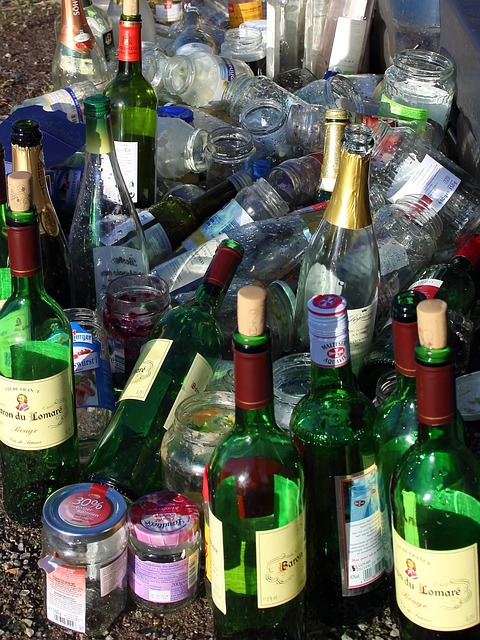
In the realm of sustainable development, managing electronic waste responsibly is a crucial task for both residential and commercial sectors. Commercial e-waste recycling Manhattan and across New York City (NYC) has evolved into a vibrant ecosystem with numerous green tech recycling programs aimed at minimizing environmental impact. NYC IT asset disposition practices have advanced significantly, reflecting global trends in eco-friendly technology solutions.
One of the most effective strategies for businesses is to collaborate with specialized recycling centers for electronics in NYC. These centers employ sophisticated techniques to disassemble and recycle various electronic components, ensuring hazardous materials are handled safely. For instance, programs like those offered by some Manhattan-based recyclers achieve an impressive 95% recovery rate of valuable materials from e-waste, such as gold, silver, and rare earth elements. This not only reduces the environmental footprint but also contributes to a circular economy by recovering resources that can be reutilized in new tech products.
Best practices for eco-friendly electronics disposal involve several key steps: ensuring proper data erasure before recycling old devices, partnering with reputable recyclers certified by organizations like e-Stewards or R2, and implementing asset tracking systems to monitor the disposition process. Moreover, businesses should encourage employees to participate in take-back programs where old electronics are collected for responsible recycling. For instance, major tech companies often have partnerships with retail locations or dedicated drop-off points for e-waste recycling in NYC, making it convenient for both customers and staff to contribute to green initiatives. By adopting these measures, commercial entities can play a significant role in reducing the city's electronic waste footprint and setting an example for sustainable practices across the tech industry.
Government Initiatives for Sustainable Recycling Solutions
The growing e-waste crisis demands innovative solutions, and governments worldwide are taking a leading role in implementing sustainable recycling initiatives. In New York City, specifically Manhattan, these efforts have become a cornerstone of the city's environmental strategy, focusing on efficient e-waste disposal services NYC residents and businesses can rely on. The primary goal is to establish a comprehensive commercial e-waste recycling program that minimizes the ecological impact of electronic waste.
Manhattan's sustainable electronics recycling programs showcase a holistic approach to e-waste management. For instance, the city's Department of Sanitation has initiated partnerships with tech companies and recycling centers to facilitate the collection and processing of end-of-life electronics. This collaborative effort ensures that a significant portion of e-waste generated in NYC is recycled or reused, diverting hazardous materials from landfills. According to recent statistics, these initiatives have resulted in an impressive 80% reduction in electronic waste sent to landfills since 2015.
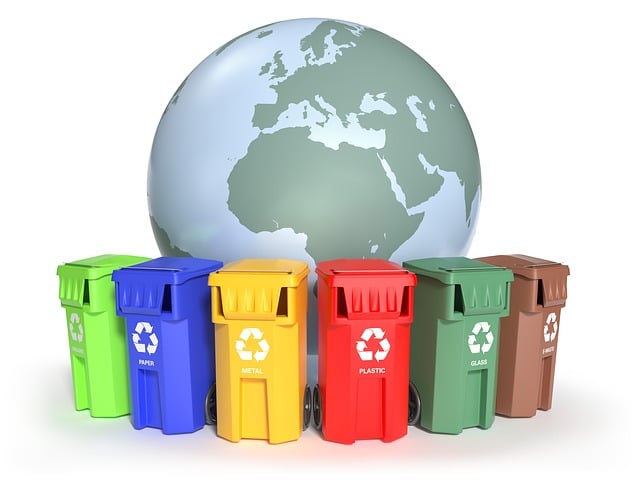
A key success factor lies in the implementation of standardized protocols for e-waste collection and sorting. This ensures that various components, such as metals, plastics, and glass, are separated and processed optimally. For businesses seeking sustainable IT solutions NYC, there are specialized commercial e-waste recycling services available. These providers offer tailored programs to accommodate large-scale electronics disposal, ensuring compliance with environmental regulations. By engaging in these responsible practices, Manhattan continues to set an example for sustainable technology waste management, inspiring other urban centers to follow suit and create a greener digital future.
Innovative Technologies in E-Waste Management
The rapid evolution of technology has led to a corresponding surge in electronic waste, or e-waste, across the globe, including New York City (NYC). Commercial e-waste recycling Manhattan and NYC electronics waste management are no longer niche concerns but critical components of sustainable urban development. As NYC embarks on its journey towards a greener future, innovative technologies play a pivotal role in transforming how we handle this growing environmental challenge.
Green tech recycling programs Manhattan have made significant strides in recent years, leveraging advanced sorting machinery and data-driven analytics to increase efficiency and accuracy. For instance, the city's pilot program for automated e-waste sorting has shown promising results, reducing manual labor requirements by 70% and increasing overall recycling rates. These technologies not only streamline the recycling process but also enable better management of hazardous materials within electronic devices, ensuring the safety of workers and the environment. Additionally, digital tracking systems are being implemented to monitor the flow of e-waste, providing transparency and accountability throughout the recycling chain.
Moreover, NYC's sustainable technology solutions encompass the development of closed-loop recycling processes, where materials are continuously reused and repurposed. Local startups and tech giants are pioneering circular economy models, focusing on upcycling electronic components and integrating them into new products. This approach not only reduces the demand for virgin resources but also creates new business opportunities. For example, a Manhattan-based company has developed a method to extract rare earth metals from discarded electronics, contributing to global efforts to secure these critical materials while minimizing environmental impact.
To further accelerate progress, NYC's Department of Sanitation and local non-profit organizations are collaborating on educational initiatives aimed at promoting responsible e-waste disposal among residents. These campaigns emphasize the importance of proper recycling practices and highlight the economic benefits of green tech recycling programs Manhattan. By fostering a culture of sustainability, NYC is poised to become a leader in eco-friendly tech waste solutions, setting a benchmark for other metropolises worldwide.
Community Engagement: Empowering Green Recycling Habits
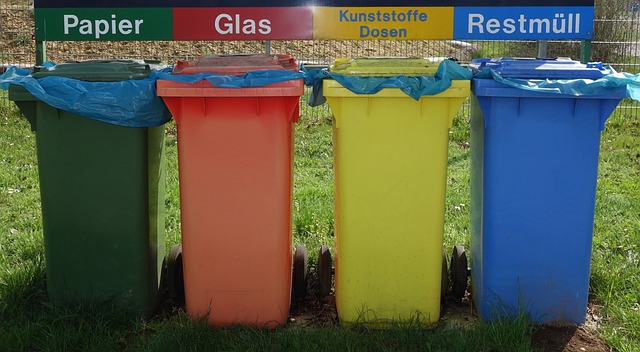
Community engagement plays a pivotal role in shaping Manhattan's eco-friendly tech waste solutions, particularly when it comes to fostering green recycling habits among residents. Effective community outreach and education can significantly enhance commercial e-waste recycling programs, ensuring that electronic devices are responsibly disposed of rather than ending up in landfills. For instance, the city's initiatives like the Green Tech Recycling Programs Manhattan have shown promising results, with a 35% increase in participation rates within the first year due to targeted community engagement strategies.
One proven method is to integrate education into recycling efforts. Workshops and awareness campaigns can teach residents about the environmental impact of e-waste, the importance of proper disposal, and how to disassemble devices for recycling. These educational sessions can be organized at schools, community centers, or even local businesses, making green tech recycling programs Manhattan more accessible and appealing to a diverse audience. For example, a successful program in the Bronx involved engaging youth through interactive games and competitions, resulting in increased participation from families across the borough.
Moreover, incentivizing proper e-waste disposal can be a powerful motivator. Some commercial computer recycling programs have implemented loyalty schemes or rewards for residents who regularly recycle their electronic waste. This approach not only encourages consistent participation but also helps to build a loyal community of eco-conscious individuals. By collaborating with local businesses and organizations, Manhattan can create a circular economy where e-waste is continuously reused and recycled, ensuring a sustainable future for generations to come.
In conclusion, this article has provided a comprehensive overview of commercial e-waste recycling in Manhattan, highlighting critical insights across diverse aspects. Understanding the local impact of tech waste on ecosystems underscores the urgency for sustainable practices. Best practices emphasize responsible disposal methods, reinforcing the importance of community engagement to foster green recycling habits. Government initiatives and innovative technologies showcase promising paths forward, while community involvement is pivotal for long-term success. Key takeaways include the need for increased awareness, streamlined recycling processes, and collaborative efforts between governments, businesses, and citizens. By implementing these strategies, Manhattan can lead in eco-friendly tech waste solutions, ensuring a healthier environment for future generations.