




Commercial e-waste recycling Manhattan is crucial due to the city's high tech density, generating over 10,000 tons annually. Effective strategies include partnering with reputable recycling centers, regular equipment upgrades, and community events like "Manhattan Recycles Electronics." Tech giants and startups are leading certification programs that set strict environmental standards, recovering up to 90% of materials. Public-private partnerships, consumer education, and advanced sorting technologies minimize the environmental impact, contributing to a sustainable future. Manhattan serves as a model for other cities in responsible tech waste management.
As the digital landscape evolves, so does the growing concern for eco-friendly tech waste solutions. Commercial e-waste recycling in Manhattan and beyond is a pressing issue, given the rapid pace of technological advancements that leave electronic devices obsolete at an alarming rate. The problem extends far beyond the clutter in our homes; it’s a global challenge impacting environments and communities. However, innovative approaches are emerging to address this crisis. This article delves into cutting-edge solutions tailored for commercial e-waste recycling, offering a roadmap towards a more sustainable future by transforming tech waste into valuable resources.
- Understanding Commercial E-Waste in Manhattan
- The Benefits of Eco-Friendly Recycling Solutions
- Implementing Effective E-Waste Management Strategies
- A Sustainable Future: Innovative Recycling Techniques
Understanding Commercial E-Waste in Manhattan

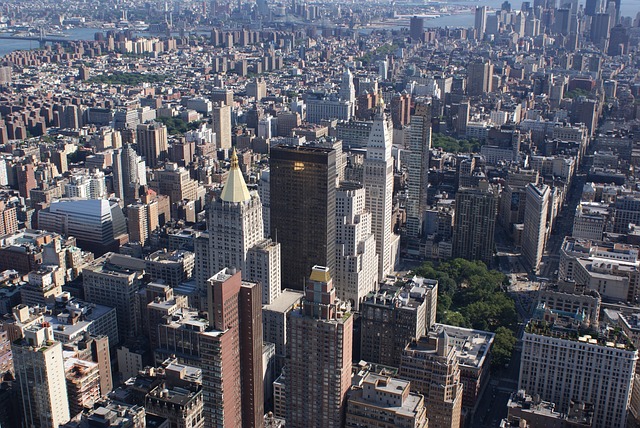
Manhattan, a global hub of business and technology, generates significant volumes of commercial e-waste each year. Understanding this unique challenge is crucial for implementing effective tech waste disposal solutions. Commercial e-waste recycling Manhattan has evolved into a complex process, driven by regulatory requirements, environmental concerns, and economic imperatives. Businesses across the city must navigate the maze of IT asset disposition (ITAD) services to ensure responsible and efficient management of their electronic leftovers.
The volume of commercial e-waste in NYC is substantial. According to recent data, Manhattan alone generates over 10,000 tons of electronics waste annually, with a significant portion stemming from obsolete computers, phones, and other digital devices. This presents both a logistical challenge and an opportunity to pioneer sustainable practices. The city’s diverse tech industry, coupled with its commitment to environmental initiatives, fosters a vibrant ecosystem for electronics recycling events and innovative ITAD programs. Organizations like the Manhattan Solid Waste Management Office actively promote proper tech waste disposal near me, collaborating with local businesses and specialized recyclers to minimize e-waste impact on NYC’s environment.
Addressing commercial e-waste requires strategic approaches. Businesses should consider partnering with reputable NYC electronics recycling centers that offer comprehensive ITAD services, including data destruction and hardware repurposing. Regular equipment upgrades and a culture of responsible tech disposal can significantly reduce the volume of waste generated. Additionally, participating in community-wide electronics recycling events can help divert valuable materials from landfills. For instance, annual initiatives like “Manhattan Recycles Electronics” encourage residents and businesses to responsibly dispose of their old electronics, showcasing the collective impact of small actions on environmental preservation.
The Benefits of Eco-Friendly Recycling Solutions
In today’s digital age, the rapid advancement of technology has led to a substantial increase in electronic waste, or e-waste, across global landscapes. Commercial e-waste recycling Manhattan has emerged as a crucial strategy to mitigate this growing environmental concern. Effective e-waste management is not merely about disposing of old electronics; it involves a complex process that includes disassembly, data security, and responsible recycling. This comprehensive approach ensures that valuable materials are recovered while minimizing the ecological footprint.
Manhattan’s e-steward certification program plays a pivotal role in promoting sustainable e-waste practices within businesses. By adhering to strict environmental standards, certified companies demonstrate their commitment to eco-friendly e-waste management. For instance, many NYC-based tech giants have adopted comprehensive recycling programs, encouraging employees and customers alike to recycle old electronics responsibly. According to recent statistics, proper e-waste recycling can recover up to 90% of materials from discarded devices, significantly reducing the demand for new resources.
Beyond individual efforts, businesses can significantly impact the sustainability narrative by implementing robust e-waste management strategies. Regularly scheduled e-waste collection events and partnerships with certified recyclers ensure a steady flow of recyclable materials. For example, some Manhattan-based startups have organized successful community drives, collecting thousands of pounds of e-waste during their annual tech refresh campaigns. These initiatives not only benefit the environment but also foster a culture of corporate social responsibility. By integrating eco-friendly recycling solutions into their operations, businesses can contribute to a greener future while meeting the evolving expectations of environmentally conscious consumers.
Implementing Effective E-Waste Management Strategies

The growing volume of electronic waste, or e-waste, poses a significant environmental challenge, particularly within urban centers like Manhattan where technology adoption rates are high. Commercial e-waste recycling in Manhattan is not just an eco-friendly imperative but a strategic necessity to mitigate the environmental and health risks associated with improper disposal. Effective e-waste management strategies involve a multifaceted approach that includes responsible manufacturing, consumer education, and robust commercial tech recycling solutions.
One of the key elements in addressing this issue is implementing comprehensive green IT recycling programs. These programs facilitate the proper disposal and recycling of electronic devices, ensuring that valuable materials are recovered while minimizing hazardous waste generation. For instance, Manhattan’s leading tech companies have initiated collaborative efforts to establish efficient commercial computer recycling programs, setting a benchmark for sustainable practices across the industry. By partnering with specialized recycling centers, these companies demonstrate their commitment to responsible resource management.
A practical insight into successful e-waste management lies in fostering public-private partnerships. Local governments can collaborate with private sector entities to create scalable and cost-effective commercial e-waste recycling solutions. Such initiatives should encourage businesses to participate actively by offering incentives for proper disposal, such as tax benefits or discounts on future purchases of eco-friendly equipment. Moreover, promoting consumer awareness through educational campaigns can significantly increase the rate of participation in green IT recycling programs. Regular collection events and drop-off locations make it convenient for residents to contribute to these efforts.
Data from recent studies indicate that proper e-waste management can yield substantial environmental benefits. For every million tons of e-waste recycled, we can save up to 500 pounds of silver, 35,000 pounds of copper, and 750,000 gallons of water. By adopting these strategies, Manhattan can lead by example, showcasing how effective commercial tech recycling solutions contribute to a greener future. It is through such proactive measures that we can ensure the responsible stewardship of technology resources, leaving a positive legacy for generations to come.
A Sustainable Future: Innovative Recycling Techniques

The pursuit of a sustainable future necessitates innovative solutions to the growing issue of tech waste, or e-waste. In New York City, commercial e-waste recycling initiatives have emerged as beacons of hope, offering effective and eco-conscious strategies to manage this burgeoning challenge. Manhattan, with its bustling technology hub, is at the forefront of these developments, showcasing how local communities can actively contribute to global environmental conservation efforts.
One promising approach involves certification programs such as e-Steward, which sets stringent standards for responsible recycling practices. E-Steward certified recyclers in NYC meticulously process electronics, ensuring hazardous materials are handled with care and valuable resources are recovered. These certified facilities employ cutting-edge techniques like advanced sorting technologies and specialized processes to disassemble and recycle components, minimizing environmental impact. For instance, the city’s electronics recycling events, organized by local initiatives and government partnerships, have proven successful in encouraging residents to responsibly dispose of their outdated electronics.
Additionally, establishing local e-waste collection points is a strategic move towards centralized and convenient access to recycling services. Manhattan has seen the creation of such collection sites, making it easier for businesses and residents to participate in e-waste management. By streamlining the collection process, these points facilitate the efficient diversion of electronic waste from landfills, contributing to the circular economy. With proper infrastructure and community engagement, NYC serves as a model for other urban centers, demonstrating that sustainable tech waste solutions are both feasible and impactful.
By addressing the pressing issue of commercial e-waste recycling Manhattan faces, this article has illuminated several critical insights. Firstly, understanding the unique challenges and volumes of e-waste generated in such a densely populated urban center is paramount. Secondly, adopting eco-friendly recycling solutions not only mitigates environmental harm but also offers significant economic benefits. Implementing effective strategies, including proper segregation, data destruction, and collaboration with certified recyclers, ensures efficient management. Additionally, embracing innovative recycling techniques promises a sustainable future by maximizing resource recovery and minimizing landfill contributions. Readers now possess the knowledge to navigate this complex landscape, foster responsible practices, and actively contribute to Manhattan’s greener digital future.