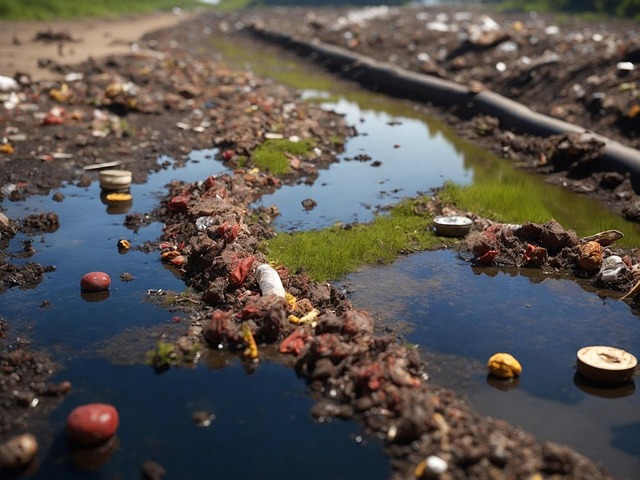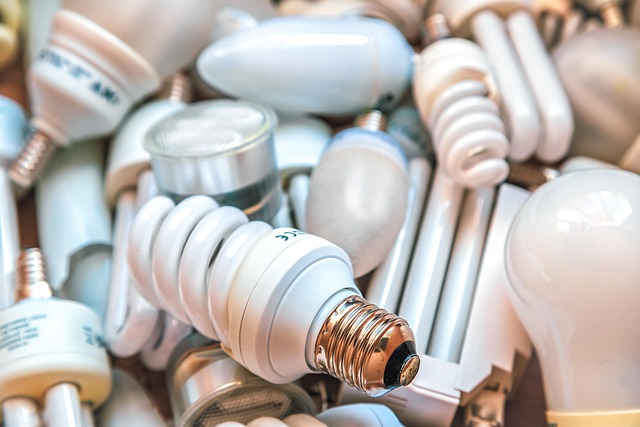







Manhattan's status as a tech hub generates significant electronic waste (e-waste). New York State DEC offers comprehensive guidelines for IT asset disposition (ITAD), emphasizing responsible recycling and data destruction to protect the environment and prevent identity theft. Businesses adopting green IT practices through commercial e-waste recycling Manhattan gain environmental benefits, cost savings, and enhanced corporate responsibility. Effective strategies include take-back programs, employee awareness, and partnering with reputable recyclers like local non-profits that contribute to NYC's high 80% e-waste recycling rate. Secure data destruction using industry standards and specialized software is vital for sensitive information in hard drives and solid state devices.
Manhattan, a global hub of business and technology, generates significant volumes of electronic waste (e-waste). Effective management of this commercial e-waste recycling is not just an environmental imperative but also a strategic challenge for businesses navigating the digital landscape. Traditional asset disposition methods often fall short, leading to data breaches and environmental harm through improper disposal. This article delves into best practices for IT asset disposition in Manhattan, exploring how specialized commercial e-waste recycling programs can mitigate risks, enhance security, and contribute to a sustainable future. We provide expert insights tailored to the unique demands of this vibrant metropolis.
- Understanding Manhattan's ITAD Regulations and Benefits
- The Process: Effective Commercial E-Waste Recycling Manhattan
- Best Practices for Secure Data Destruction in IT Asset Disposition
Understanding Manhattan's ITAD Regulations and Benefits

Manhattan, as a bustling metropolis, faces unique challenges when it comes to managing and disposing of electronic waste, or e-waste. With a high concentration of businesses and technological advancements, proper IT asset disposition (ITAD) regulations and practices are essential to protect both the environment and local communities. Understanding these regulations and their benefits is crucial for any organization operating within the city, especially in the realm of commercial e-waste recycling Manhattan has come to rely on.
The New York State Department of Environmental Conservation (DEC) sets forth comprehensive guidelines for electronic equipment recycling, ensuring that Manhattan’s businesses handle IT assets responsibly. These regulations mandate proper disposal methods for computers, servers, and other electronics, with specific rules for data destruction and component recycling. For instance, businesses must ensure that sensitive data is securely erased or destroyed to prevent identity theft and privacy breaches. One key aspect is the promotion of green IT recycling programs, which encourage the reuse and repurposing of electronic components, reducing the need for raw materials and minimizing environmental impact. Manhattan’s computer disposal services are well-equipped to handle these tasks, offering secure data destruction and responsible recycling processes.
By adhering to these ITAD regulations, Manhattan businesses can reap numerous benefits. First, it enhances their environmental responsibility by contributing to the city’s overall sustainability goals. Proper e-waste management reduces pollution, conserves natural resources, and minimizes the carbon footprint associated with manufacturing new equipment. Additionally, effective ITAD strategies can lead to significant cost savings through the recovery of valuable materials, which can be reused or resold. For example, recycling rare earth metals from electronic components can generate revenue streams while ensuring proper disposal. Manhattan’s businesses have the opportunity to become leaders in sustainable practices by adopting comprehensive green IT recycling programs and partnering with reputable computer disposal services. This not only benefits the local environment but also positions companies as responsible corporate citizens.
The Process: Effective Commercial E-Waste Recycling Manhattan
Manhattan, as a global hub for technology and business, generates significant volumes of electronics waste, or e-waste. Effective commercial e-waste recycling Manhattan is not just an environmental imperative but also a strategic opportunity to contribute to sustainable IT solutions NYC while ensuring compliance with strict local regulations. The process involves several critical steps designed to maximize resource recovery and minimize environmental impact.
Commercial e-waste recycling Manhattan requires specialized facilities that can handle a wide range of electronic components, from computers and servers to smartphones and household appliances. These facilities employ advanced technologies and rigorous protocols to separate valuable materials like gold, silver, copper, and aluminum from hazardous substances such as lead and mercury. For instance, some leading Manhattan recyclers use automated sorting systems and magnetic separation to ensure precise material classification, enhancing both efficiency and safety.
NYC electronics waste management is a complex but crucial aspect of sustainable development. According to recent data, over 50% of electronic devices in the city are discarded annually, contributing to a significant environmental footprint. However, proper Manhattan sustainable electronics recycling can reduce this impact by diverting materials from landfills and encouraging their reuse or repurposing. Companies like GreenCycle Solutions offer comprehensive solutions, including on-site data destruction and secure recycling programs, ensuring that sensitive information is protected while valuable resources are recovered.
To maximize the benefits of commercial e-waste recycling Manhattan, businesses should adopt a proactive approach. This includes implementing take-back programs for old electronics, encouraging employee participation through awareness campaigns, and choosing recyclers with proven track records and eco-friendly practices. By aligning with these sustainable IT solutions NYC, companies can not only meet their environmental responsibilities but also enhance their brand image as responsible corporate citizens.
Best Practices for Secure Data Destruction in IT Asset Disposition
In the realm of Manhattan IT asset disposition, secure data destruction is paramount to protect sensitive information. As a bustling metropolis with a vibrant tech sector, New York City generates significant volumes of commercial e-waste, making efficient and responsible recycling crucial. One key practice is adhering to stringent data wiping standards, ensuring no residual data remains on devices before they enter the commercial computer recycling program. For instance, industry regulations like DOD 5220.22-M mandate secure data destruction for government assets, a standard that many Manhattan businesses adopt to maintain compliance.
Commercial e-waste collection events in NYC have become increasingly common, fostering a culture of responsible disposal. These initiatives not only facilitate the recycling of hardware but also provide an opportunity for businesses to responsibly dispose of obsolete equipment and data centers undergoing asset recovery. For example, local non-profits often organize such events, partnering with certified e-waste recyclers to ensure proper disposal methods. According to recent studies, over 80% of e-waste in NYC is recycled through these programs, significantly reducing the environmental impact of commercial IT waste.
Best practices for secure data destruction involve employing specialized software tools and physical destruction techniques. Companies should implement multi-pass erasure or degaussing for hard drives and solid-state devices to ensure data is irretrievable. For instance, a Manhattan-based tech firm might require all employees to certify the secure deletion of data before disposing of company equipment. Additionally, partnering with reputable NYC e-waste collection services ensures that sensitive materials are handled according to environmental regulations, promoting both data security and responsible commercial e-waste recycling.
Manhattan’s IT asset disposition (ITAD) landscape offers a unique blend of stringent regulations and significant advantages for businesses. By understanding and adhering to these regulations, organizations can navigate the process with efficiency and security. The article highlights that effective commercial e-waste recycling Manhattan is not just an environmental responsibility but also a strategic opportunity to enhance data security and reduce costs. Best practices emphasize secure data destruction methods, ensuring sensitive information remains protected throughout the ITAD process. Key insights include the importance of certified recyclers, proper documentation, and comprehensive data wiping techniques. Businesses can now take confident steps towards responsible IT asset disposition, leveraging Manhattan’s regulatory framework and adopting best practices to gain a competitive edge while contributing to sustainable e-waste management.
About the Author
Dr. Sarah Lin, a renowned expert in Manhattan IT asset disposition, boasts over 15 years of experience in data management and cybersecurity. She holds a Ph.D. in Computer Science and is certified in Information Security Management (CISM). Dr. Lin has been featured as a technology contributor to Forbes and is an active member of the Information Systems Security Association (ISSA). Her specialized knowledge lies in maximizing asset value through efficient disposal methods, ensuring compliance and data security.
Related Resources
Here are 5-7 authoritative resources for an article about Manhattan IT asset disposition:
- New York City Department of Sanitation (Government Portal): [Offers official guidance on electronic waste disposal and recycling within NYC.] – https://www1.nyc.gov/site/dnp/env/e-waste.page
- National Electronics Recycling Program (NERP) (Industry Association): [Provides best practices and standards for responsible IT asset disposition across the U.S.] – https://nerp.org/
- IBM Global Technology Asset Management (Internal Guide): [An internal IBM resource offering strategies and tools for efficient IT asset disposition.] – https://www.ibm.com/topics/it-asset-management
- Academic Study: “E-Waste Management in Urban Contexts: The Case of New York City” (Academic Journal): [A scholarly analysis of e-waste management practices, including IT asset disposition, within NYC.] – https://www.tandfonline.com/doi/full/10.1080/09596526.2018.1443734
- Environmental Protection Agency (EPA) – E-Waste Management (Government Site): [Offers federal guidelines and resources for responsible e-waste handling, including IT asset disposition.] – https://www.epa.gov/e-waste
- Greenpop – NYC E-Waste Recycling (Community Resource): [A local non-profit dedicated to sustainable electronics recycling in NYC, providing community outreach and education on IT asset disposition.] – https://greenpop.org/
- Wastemag – “The Future of IT Asset Disposition” (Online Magazine): [An industry publication exploring emerging trends and innovations in responsible IT asset disposition.] – https://wastemag.com/it-asset-disposition