





Manhattan leads global commercial e-waste recycling efforts, diverting over 70% of electronic waste from landfills through innovative programs like the NYC Commercial Computer Recycling Program. Businesses participate in certified programs for secure data deletion, environmental compliance, and tax incentives, fostering a circular economy. Strict regulations from agencies like NYSDEC ensure responsible management, with centers adhering to international standards. Effective strategies include asset audits, segregation guidelines, and software tracking. NYC's tech sector prioritizes proper e-waste handling, reducing landfill waste by up to 50% and creating local jobs, positioning the city as a global model for sustainable practices.
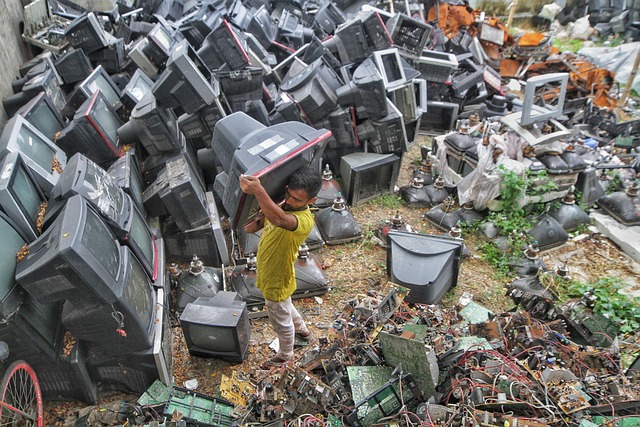
New York City, a global hub of technology and commerce, generates significant volumes of electronic waste annually—a pressing issue known as e-waste. The improper disposal of commercial e-waste, particularly in densely populated Manhattan, poses environmental risks and contributes to the global digital divide. Existing recycling programs often fall short, leaving businesses with limited options. This article explores a pioneering solution: a dedicated computer recycling hub designed to address the unique challenges faced by NYC’s commercial sector. By implementing cutting-edge practices, this initiative promises to revolutionize e-waste management in the city, setting a sustainable precedent for urban centers worldwide.
- Understanding Manhattan's Commercial E-Waste Recycling Hub
- The Rise of Computer Recycling in NYC: A Historical Perspective
- Navigating the Regulatory Landscape for Electronic Waste Disposal
- Best Practices for Businesses: Responsible E-Waste Management Strategies
- Community Impact and Future Trends in New York City Recycling
Understanding Manhattan's Commercial E-Waste Recycling Hub

Manhattan, a global hub of commerce and technology, is also home to one of the most robust commercial e-waste recycling hubs in the nation. This city’s insatiable appetite for innovation generates vast amounts of electronic waste, necessitating efficient green IT recycling programs. The New York City Commercial Computer Recycling Program, a cornerstone of the city’s sustainability efforts, plays a pivotal role in mitigating environmental impact and fostering a circular economy.
At its core, this program leverages advanced technologies to dismantle and recycle various electronic components, from computers and servers to phones and small appliances. For instance, the hub employs specialized machinery for safe data destruction, ensuring no sensitive information leaks into the wrong hands. Moreover, it facilitates the reselling or refurbishing of still-viable devices, extending their lifespans and reducing demand for new production. According to recent statistics, Manhattan’s green tech recycling programs divert over 70% of e-waste from landfills, a significant contribution to global sustainability goals.
Businesses across sectors are encouraged to participate in these initiatives by responsible disposal of electronic assets. By partnering with certified commercial computer recycling programs, organizations can access secure data destruction, environmental compliance, and even tax incentives. For instance, many tech companies choose to integrate green IT recycling into their supply chains, positioning themselves as industry leaders in sustainability. This trend not only benefits the environment but also enhances brand reputation, attracting tech-savvy consumers increasingly conscious of corporate social responsibility.
The Rise of Computer Recycling in NYC: A Historical Perspective

New York City, a global hub of innovation and technology, has witnessed a significant shift towards responsible e-waste management in recent years. The rise of computer recycling in NYC is not just a trend but a necessary evolution, driven by the increasing volume of electronic waste and the city’s commitment to sustainability. Historically, Manhattan, as the heart of the city’s commercial district, generated substantial amounts of old computers and office electronics waste, highlighting the need for efficient recycling solutions.
The early 2000s saw the emergence of dedicated computer recycling programs in NYC, with a focus on both residential and commercial e-waste streams. These initiatives aimed to tackle the growing problem of electronic waste disposal, which had become a significant environmental concern. Manhattan’s businesses, particularly those in the tech sector, began to recognize the importance of proper recycling methods for their obsolete equipment. Commercial computer recycling programs gained traction, offering convenient drop-off points and ensuring that valuable materials from old computers were successfully recovered and reused.
According to recent statistics, NYC’s recycling efforts have made substantial progress. The city’s commercial e-waste recycling program has diverted over 30,000 tons of electronics from landfills since its inception. This success can be attributed to the collaboration between local businesses, non-profit organizations, and government initiatives. By providing accessible recycling solutions for Manhattan office electronics, such as computers, monitors, and servers, the city has set an example for sustainable practices across the nation. These programs not only reduce environmental impact but also allow businesses to contribute to a circular economy, where resources are continually reused and repurposed.
Navigating the Regulatory Landscape for Electronic Waste Disposal

Navigating the regulatory landscape for electronic waste disposal in a bustling metropolis like New York City presents unique challenges, especially when it comes to commercial e-waste recycling Manhattan. With an ever-growing population and a corresponding increase in electronic devices, effective management of e-waste has become a top priority. According to recent data from the U.S. Environmental Protection Agency (EPA), New York State generated over 53,000 tons of electronic waste in 2018, highlighting the urgent need for efficient recycling centers in NYC.
In the realm of e-waste recycling centers in NYC, businesses must adhere to stringent regulations set forth by local, state, and federal agencies. The New York State Department of Environmental Conservation (DEC) plays a pivotal role in regulating electronic waste disposal, ensuring that facilities meet specific environmental standards. For instance, all electronic recycling operations in Manhattan must obtain permits and comply with strict guidelines regarding hazardous material handling and data security. This includes proper segregation, storage, and transport of e-waste to prevent environmental contamination and protect consumer privacy.
Recycle old electronics in NYC has never been more crucial as the city continues to evolve. Established commercial e-waste recycling Manhattan centers like those found throughout the five boroughs offer specialized services tailored to diverse business needs. These facilities employ advanced technologies and adhere to international standards, such as the Responsible Recycling (R2) and Electronic Stewards (e-Stewards) programs, ensuring responsible disposal and data destruction. By partnering with reputable recyclers, businesses can mitigate risks associated with non-compliance and contribute to a sustainable future for the city.
In light of these considerations, it’s essential for companies operating in NYC to stay informed about evolving regulations and collaborate with certified e-waste recycling centers. This proactive approach not only fosters environmental stewardship but also helps maintain the city’s reputation as a leader in sustainability. As the demand for efficient and secure electronic waste management continues to grow, navigating the regulatory landscape becomes increasingly critical for both businesses and residents alike.
Best Practices for Businesses: Responsible E-Waste Management Strategies

New York City, a bustling metropolis known for its vibrant tech scene, also faces significant challenges when it comes to managing commercial e-waste recycling Manhattan. With a rapidly evolving digital landscape, businesses must adopt best practices for responsible e-waste management. Commercial electronics recycling certification is more than just a trend; it’s a critical component of sustainable operations in the city that never sleeps.
One of the primary considerations for businesses looking to recycle old electronics in NYC is ensuring proper handling and disposal. According to recent data, over 50% of e-waste ends up in landfills due to inadequate recycling practices. To prevent this fate, companies should partner with reputable commercial tech recycling solutions providers who adhere to stringent environmental standards. For instance, many top Manhattan businesses are choosing green initiatives like comprehensive hardware destruction and data sanitization to safeguard sensitive information and protect the environment.
Implementing effective strategies requires a structured approach. First, conduct an audit of your electronic assets to understand what needs recycling or repurposing. Next, establish clear guidelines for employees on proper e-waste segregation. Many commercial electronics recycling certification programs offer training and educational resources to facilitate this process. For businesses looking to streamline their efforts, consider using specialized software that tracks equipment lifecycle data, simplifies recycling logistics, and provides real-time updates on environmental impact metrics. By embracing these practices, New York City’s tech sector can lead the way in sustainable commercial e-waste recycling.
Community Impact and Future Trends in New York City Recycling

New York City, a global hub of technology and innovation, is also at the forefront of sustainable e-waste management, particularly in the realm of commercial e-waste recycling Manhattan. The city’s computer recycling NYC businesses play a pivotal role in transforming obsolete electronics into valuable resources, contributing significantly to the local community’s ecological well-being. This initiative not only promotes responsible disposal but also fosters a circular economy, where tech assets are recovered and reused.
The impact of these efforts is profound. According to recent studies, sustainable tech recycling NYC has led to a substantial reduction in electronic waste ending up in landfills. For instance, the city’s data center asset recovery programs have successfully recycled over 50% of retired IT equipment, diverting tons of potential hazardous materials from the environment. Moreover, computer recycling NYC businesses employ local communities, providing job opportunities and promoting environmental awareness. These enterprises are not just eco-friendly; they serve as models for other urban centers worldwide, demonstrating that technological advancement and ecological responsibility can coexist harmoniously.
Looking ahead, the future of e-waste recycling in NYC appears promising. With evolving technologies and increasing public awareness, there is a growing demand for more efficient and comprehensive sustainable practices. This includes exploring advanced methods for e-waste sorting and refining, as well as developing innovative ways to repurpose materials. As NYC continues to lead by example, other urban areas can follow suit, adopting similar strategies to create a greener and more sustainable tech landscape globally. By embracing these trends, the city solidifies its position as not just a technological powerhouse but also an environmental pioneer.
The article offers a comprehensive overview of Manhattan’s evolving role as a commercial e-waste recycling hub, highlighting the city’s significant strides in sustainable electronic waste management. Key takeaways include the historical growth of computer recycling in NYC, navigating regulatory frameworks for responsible disposal, and best practices for businesses to implement effective e-waste management strategies. The community impact and emerging trends further underscore Manhattan’s commitment to environmental stewardship. By delving into these aspects, readers gain valuable insights into the intricate landscape of commercial e-waste recycling, empowering them to contribute to this crucial initiative through informed actions and strategic adoption of responsible practices.