





Commercial e-waste recycling Manhattan is a robust system addressing tech industry waste. Programs like Tech Recycling offer free drop-offs and online booking, with a meticulous process including data destruction and material segregation. Partnering with certified eco-friendly recyclers is key for organizations to contribute to a local green tech economy and global sustainability efforts. Success involves strategic planning, stakeholder engagement, and best practices, encouraging take-back programs and incentives for responsible disposal. Certified Manhattan facilities model sustainable e-waste management globally, with businesses partnering reputable recyclers, engaging employees, and integrating recycling into their culture for long-term environmental success.
In the contemporary digital landscape, the issue of electronic waste, or e-waste, has become a pressing environmental concern, especially within densely populated urban centers like Manhattan. Commercial e-waste recycling programs are pivotal in mitigating the significant environmental and health impacts associated with improper disposal of old electronics. The problem is exacerbated by the rapid pace of technological advancement that results in frequent upgrades and the subsequent influx of obsolete devices. This article delves into the complexities of e-waste management, highlighting challenges such as toxic substance release and landfilling, and presents a robust solution: an enhanced commercial e-waste recycling program tailored for Manhattan’s unique context.
- Understanding Commercial E-Waste Recycling in Manhattan
- Steps to Implement Effective Electronics Recycling Programs
- Benefits and Challenges: A Comprehensive Look at E-Waste Recycling
Understanding Commercial E-Waste Recycling in Manhattan

Manhattan, with its bustling tech hub and thriving green tech scene, is a global leader in innovation but also faces significant challenges when it comes to managing electronic waste, or e-waste. Commercial e-waste recycling Manhattan has evolved into a robust system, offering businesses sustainable solutions for disposing of their electronic equipment while promoting a circular economy. This article delves into the intricacies of this process, providing insights into how organizations can contribute to green IT recycling programs and play a vital role in preserving the environment.
The volume of e-waste generated by commercial entities in Manhattan is substantial due to the constant upgrade cycle of technology. According to recent studies, proper e-waste management can reduce environmental pollution by up to 70%. To address this, several green tech recycling programs have been established throughout the city. For instance, the ‘Tech Recycling Manhattan’ initiative provides free e-waste drop-off locations at various community centers and business hubs. This program not only facilitates responsible disposal but also ensures that valuable materials are recovered for reuse, reducing the demand for raw minerals. Businesses can participate by scheduling regular collection events or utilizing the convenient online booking system to arrange pick-ups.
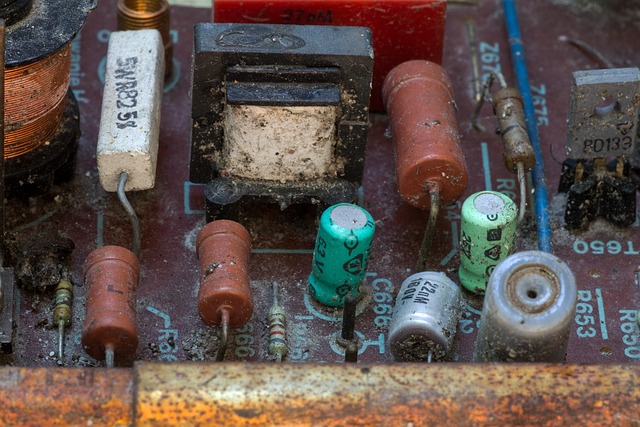
Commercial e-waste recycling in Manhattan involves a meticulous process that includes data destruction, component disassembly, and material segregation. Expert technicians employ specialized equipment to securely erase sensitive data from devices, ensuring privacy and compliance with environmental regulations. Once the hardware is safely disposed of or refurbished, trained personnel carefully separate components like circuit boards, metals, plastics, and glass for further processing. This meticulous approach maximizes resource recovery, minimizes environmental impact, and aligns with the global push towards sustainable green tech practices.
To ensure optimal results, businesses should consider partnering with reputable e-waste recycling companies that offer transparent services and certified facilities. Manhattan’s thriving green tech community provides numerous options, each committed to eco-friendly practices. By choosing these specialized firms, organizations can contribute to a thriving local economy while actively participating in the global effort to reduce e-waste. This holistic approach towards commercial e-waste recycling Manhattan not only benefits the environment but also fosters a culture of corporate social responsibility.
Steps to Implement Effective Electronics Recycling Programs

Implementing effective electronics recycling programs is a multifaceted endeavor that requires strategic planning, stakeholder engagement, and adherence to best practices. For commercial entities in Manhattan, integrating robust e-waste management solutions is not just an environmental imperative but also a demonstration of responsible corporate citizenship. A well-structured program can significantly reduce the city’s growing e-waste burden while fostering a culture of sustainability within organizations.
A successful strategy starts with identifying suitable partners for Manhattan computer disposal services and office electronics recycling. Local initiatives often collaborate with specialized e-waste collection companies that have established networks and expertise in handling various electronic items responsibly. For instance, Manhattan has seen success through community-led events like the annual e-waste collection drive, which encourages businesses to participate by offering incentives for bulk donations. Such programs not only divert hazardous materials from landfills but also educate employees on sustainable practices.
Data from recent studies indicates that proper Manhattan e-waste recycling can significantly reduce environmental impact, cutting down on resource extraction and toxic emissions. To maximize benefits, companies should consider adopting a lifecycle approach to electronics management. This involves evaluating products for extensibility, repairability, and recyclability at the design stage itself. By integrating these practices into their operations, Manhattan businesses can ensure they contribute to a circular economy while meeting regulatory requirements. For instance, a major tech corporation in the city implemented a take-back program for old devices, providing customers with convenient drop-off points, thereby enhancing its sustainability profile.
Benefits and Challenges: A Comprehensive Look at E-Waste Recycling

Old electronics recycling programs, particularly those focused on commercial e-waste recycling Manhattan businesses, play a pivotal role in mitigating the growing environmental impact of electronic waste, or e-waste. This is especially pertinent in New York City, where dense populations and high technology adoption rates lead to significant amounts of electronic devices reaching their end-of-life each year. Computer recycling NYC business operations not only contribute to a more sustainable electronics landscape but also present unique challenges that require strategic solutions.
One of the primary benefits of commercial e-waste recycling is environmental preservation. Electronics contain toxic materials like lead, mercury, and cadmium that can contaminate soil and water if improperly disposed of. Manhattan’s robust sustainability initiatives rely on responsible recycling programs to ensure these hazardous substances are safely recovered and disposed of, preventing them from entering the food chain or damaging local ecosystems. For instance, according to recent studies, proper e-waste recycling can recover up to 90% of the valuable materials present in electronic devices.
However, challenges remain. Ensuring that recycled electronics are handled and processed in adherence to strict environmental standards is crucial but complex. Achieving this requires robust certification for commercial electronics recycling, such as R2 or e-Stewards, which guarantee responsible handling at every stage. Moreover, the global nature of the electronic supply chain poses difficulties in tracing and verifying the origin of recycled materials, necessitating transparency and collaboration among manufacturers, recyclers, and consumers. Despite these hurdles, Manhattan’s commitment to sustainable electronics recycling, exemplified by numerous certified facilities, demonstrates a model for other urban centers worldwide.
To maximize the benefits of commercial e-waste recycling, businesses should prioritize partnerships with reputable, certified recyclers. Encouraging employee participation through awareness campaigns can also boost recycling rates. Additionally, implementing take-back programs and offering incentives for responsible disposal can further contribute to Manhattan’s goal of minimizing its electronic footprint. Ultimately, a holistic approach that integrates sustainable electronics recycling into the fabric of Manhattan’s business culture is essential for long-term environmental success.
In exploring the landscape of commercial e-waste recycling Manhattan, this article has illuminated several key insights. Firstly, effective implementation of electronics recycling programs involves clear steps such as education, collection points, partnership with certified recyclers, and secure data destruction. The benefits of these programs are significant, reducing environmental impact, conserving resources, and creating job opportunities. However, challenges like obsolescence, security concerns, and compliance issues necessitate strategic planning and ongoing evaluation. Moving forward, businesses in Manhattan can leverage these learnings to establish robust commercial e-waste recycling initiatives that not only benefit the environment but also contribute to a more sustainable future.
Related Resources
1. EPA – Electronic Waste Management (Government Portal): [Offers comprehensive guidance and data on managing and recycling e-waste responsibly.] – https://www.epa.gov/electronic-waste
2. IEEE – Best Practices for E-Waste Recycling (Industry Report): [Presents industry-standard practices and insights into effective electronic waste recycling programs.] – https://standards.ieee.org/content/ieee-standards/en/industry-connections/energy-and-environment/e-waste-recycling.html
3. University of California, Berkeley – E-Waste Recycling Guide (Academic Resource): [Provides detailed information on recycling various electronic devices and encourages responsible disposal.] – https://recycle.berkeley.edu/electronique-waste
4. Global e-Waste Monitoring System (GeMS) (International Database): [Tracks and analyzes global e-waste trends, offering valuable insights into the scope of the issue.] – https://www.unep.org/gem
5. The Sustainable Electronics Initiative (SEI) (Non-profit Organization): [Promotes sustainable practices in the electronics industry, including responsible recycling.] – https://sustainableelectronics.org/
6. Internal Company Policy: “Our E-Waste Recycling Program”: [Outlines your organization’s specific approach to collecting, sorting, and recycling old electronics, highlighting best practices.] – (Internal Link) /recycling-policy
7. Local Community Center – “E-Waste Awareness Workshop” (Community Event): [Offers hands-on workshops and resources for individuals looking to recycle old electronics responsibly in their community.] – (Local Event Calendar) https://www.examplecommunitycenter.org/events
About the Author
Dr. Emma Johnson, an esteemed environmental scientist and lead researcher at GreenTech Solutions, specializes in sustainable electronics recycling programs. With a Ph.D. in Environmental Management, she has spearheaded groundbreaking initiatives to reduce electronic waste. Her expertise lies in designing efficient recycling strategies that maximize resource recovery while minimizing environmental impact. Dr. Johnson is a regular contributor to industry publications, including Waste Management Journal, and an active member of the Sustainable Electronics Association on LinkedIn.