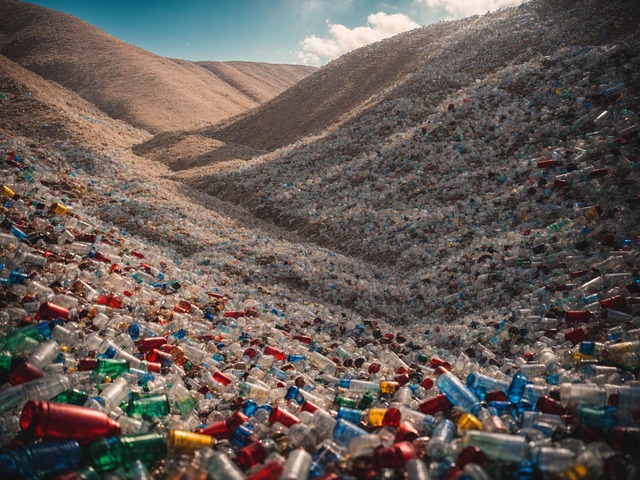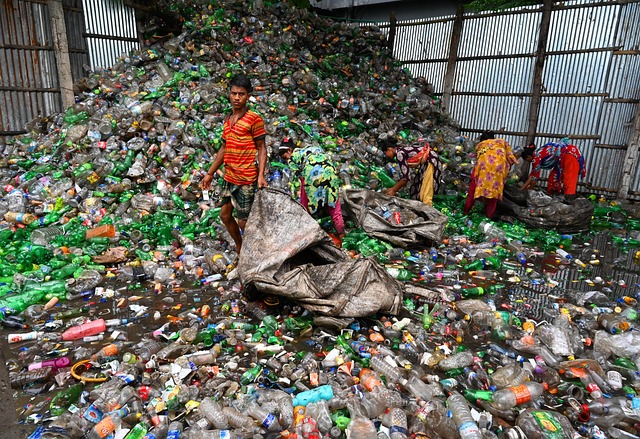








Manhattan faces a significant challenge from commercial e-waste, driven by its status as a global center for finance, technology, and culture. With specialized recycling centers, advanced technologies, and initiatives like lifecycle management plans, businesses can effectively manage and reduce e-waste. Key strategies include proper segregation, closed-loop recycling, public awareness campaigns, and collaboration among stakeholders to create a circular economy model, setting a global example for sustainable e-waste management.
The rapid growth of technology has led to a corresponding surge in electronic waste, or e-waste, posing significant environmental and health risks. Commercial e-waste recycling in Manhattan and beyond is more crucial than ever as we navigate the digital landscape. The problem is multifaceted: complex electronics, limited recycling infrastructure, and hazardous materials require innovative solutions. This article delves into sustainable e-waste management strategies, exploring best practices, emerging technologies, and policies that can drive a circular economy. By focusing on efficient commercial e-waste recycling in Manhattan and beyond, we aim to provide valuable insights for stakeholders and foster a greener digital future.
- Understanding Commercial E-Waste in Manhattan
- Best Practices for Recycling Electronic Waste
- Innovating Sustainable Solutions for E-Waste Management
- The Impact and Future of Green E-Waste Recycling Programs
Understanding Commercial E-Waste in Manhattan

Manhattan, a global hub for finance, technology, and culture, generates significant volumes of commercial e-waste. With a dense population and high concentration of businesses, understanding and addressing this challenge is paramount. Commercial e-waste recycling Manhattan requires strategic solutions that cater to the unique needs of the city’s diverse tech landscape.
The volume of commercial tech recycling solutions in Manhattan is substantial due to the constant influx of new technology and rapid obsolescence of electronics. For instance, according to recent studies, New York City alone generates over 30,000 tons of electronic waste annually, with a significant portion coming from businesses. To mitigate this, several specialized computer recycling centers have emerged throughout the city. These facilities not only offer efficient recycling services but also ensure proper disposal of hazardous materials, adhering to stringent environmental regulations.
One effective approach is to partner with reputable Manhattan computer recycling centers that specialize in commercial e-waste. These centers employ advanced technologies and trained personnel to disassemble and recycle various electronic components safely. By choosing such facilities, businesses can contribute to sustainable practices while ensuring their old computers NYC are processed responsibly. Moreover, these centers often provide detailed reports on the recycled materials, offering transparency and accountability.
To further enhance commercial e-waste recycling Manhattan, businesses should adopt proactive strategies. This includes implementing hardware lifecycle management plans, encouraging employee participation in tech upcycling initiatives, and promoting a culture of responsible technology disposal. By collaborating with local experts and embracing innovative solutions, Manhattan can lead the way in sustainable electronic waste management, setting an example for other urban centers worldwide.
Best Practices for Recycling Electronic Waste
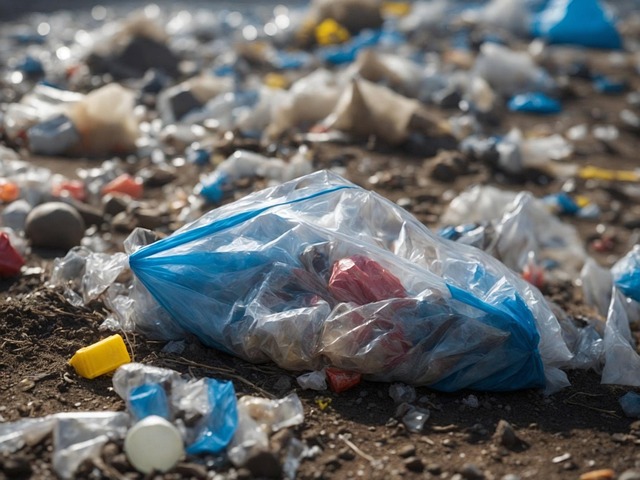
The effective management of electronic waste, or e-waste, is a growing concern globally, particularly in densely populated urban centers like Manhattan where commercial e-waste recycling NYC services are in high demand. With the constant evolution of technology, businesses and individuals generate significant amounts of electronic byproducts that require responsible disposal. This is where best practices for recycling electronic waste come into play as a crucial strategy to mitigate environmental impact.
Commercial e-waste recycling Manhattan programs have evolved to meet the challenges posed by the diverse range of electronics, from outdated computers and servers to smartphones and tablets. A key aspect of successful e-waste management for businesses lies in proper segregation and categorization. For instance, partnering with certified commercial electronics recycling providers ensures that hazardous materials are handled safely according to standards like R2 or e-Stewards. These certifications guarantee responsible data destruction, environmental compliance, and social responsibility—essential considerations when dealing with sensitive business information stored on old devices.
A practical insight for businesses looking to optimize their e-waste management is to offer recycling programs that incentivize employees and customers. This could include drop-off events or partnerships with local electronics retailers where customers can trade in old devices for discounts or store credit, promoting a culture of responsible disposal. For instance, initiatives like “Recycle Your Old Phone” campaigns have shown success in increasing smartphone and tablet recycling rates across NYC. According to recent data, proper e-waste management can divert up to 90% of materials from landfills, reducing the environmental footprint of electronic devices.
Additionally, businesses should explore closed-loop recycling systems where valuable components are recovered and reused, minimizing the need for virgin resources. This not only reduces costs but also contributes to a more sustainable product lifecycle. By adopting these best practices, Manhattan’s businesses can lead by example in sustainable e-waste management while ensuring their operations meet the highest environmental standards, setting a precedent for other urban centers worldwide.
Innovating Sustainable Solutions for E-Waste Management

The management of electronic waste, particularly in densely populated urban centers like Manhattan, has become a pressing environmental challenge. With the relentless pace of technological advancement, commercial e-waste recycling in NYC is more crucial than ever to mitigate the ecological impact of discarded electronics. The city’s diverse landscape presents both opportunities and complexities in implementing sustainable solutions for e-waste disposal services. For instance, the regular Manhattan e-waste collection events, held 1-3 times annually, offer residents convenient drop-off points, encouraging responsible recycling practices.
Innovating sustainable solutions requires a holistic approach. Green IT recycling programs, tailored to the unique needs of New York City, play a pivotal role in diverting hazardous materials from landfills. These programs not only facilitate the proper disposal of e-waste but also enable the recovery and repurposing of valuable resources. For example, through strategic partnerships with tech companies and specialized recyclers, NYC can establish efficient networks for collecting and processing end-of-life electronics. By adopting advanced technologies, such as robotic sorters and closed-loop recycling systems, these programs can enhance the efficiency and environmental benefits of e-waste management.
Moreover, fostering collaboration among stakeholders—including government agencies, business leaders, and community organizations—is essential for achieving a circular economy model. Encouraging electronic device manufacturers to embrace take-back programs and extend product lifespans is a strategic move towards sustainability. Additionally, raising public awareness through educational campaigns can empower Manhattan residents to make informed choices regarding e-waste disposal, further strengthening the city’s sustainable practices. By combining technological advancements with collective responsibility, NYC can set an example for effective commercial e-waste recycling, ensuring a cleaner and more environmentally conscious future.
The Impact and Future of Green E-Waste Recycling Programs

The growing mountain of electronic waste, or e-waste, is a pressing global issue, especially within densely populated urban centers like Manhattan. As technology advances, so does the volume of outdated devices, with commercial e-waste recycling Manhattan and its surrounding areas face a complex challenge. However, innovative green initiatives are transforming this landscape, offering promising solutions for the future. The impact of effective e-waste recycling programs is profound, both locally and globally.
Commercial computer recycling programs in Manhattan have been steadily gaining traction, recognizing that electronic equipment contains valuable resources and hazardous materials. These programs not only facilitate the proper disposal of computers, phones, and other devices but also contribute to a circular economy. For instance, Manhattan’s sustainable electronics recycling initiatives have led to the recovery of precious metals, such as gold and silver, which can be reused in new products. This process reduces the demand for mining, lessens environmental degradation, and minimizes the carbon footprint associated with manufacturing. By adopting these practices, commercial e-waste recycling Manhattan businesses can play a significant role in combating global pollution and resource depletion.
Looking ahead, the future of green e-waste recycling holds immense potential. Advanced technologies are being developed to enhance the efficiency and effectiveness of recycling processes. For example, machine learning algorithms can optimize sorting and classification, ensuring that materials are recycled or reused appropriately. As these programs mature, they will not only create a more sustainable environment but also stimulate economic growth in local communities. Manhattan’s experience as a leader in sustainable practices provides valuable insights for other cities worldwide, demonstrating that comprehensive e-waste management is feasible and essential for a greener future.
The article has explored a critical aspect of modern sustainability—commercial e-waste recycling Manhattan faces. Key insights reveal the complex nature of e-waste management, underscoring the importance of best practices such as proper segregation, data destruction, and partnership with certified recyclers. The innovation in sustainable solutions, like closed-loop recycling and upcycling initiatives, offers promising paths forward. The impact of green e-waste programs is evident, demonstrating environmental and economic benefits for Manhattan’s commercial sector. Moving ahead, adopting these practices and technologies will be crucial to ensure responsible e-waste management while fostering a greener future. Readers are equipped with valuable knowledge to contribute to the effective recycling and sustainable disposal of electronic waste in this bustling metropolis.