






Manhattan's commercial e-waste recycling landscape benefits from advanced technologies, tech company partnerships, and city regulations. Key initiatives include data center asset recovery, certified recycling providers, free drop-off points, and the Manhattan E-Steward Certification. Proper recycling can divert 70% of materials from landfills, reducing environmental impact and supporting a circular economy. Businesses should select recyclers based on accepted electronics types, recycling methods, and compliance with local regulations. Manhattan aims to lead globally in sustainable e-waste management through innovative practices and stricter regulatory standards.
Manhattan faces a growing challenge with the rapid pace of technological advancement: managing commercial e-waste recycling effectively. The city’s bustling tech hub generates substantial electronic waste, demanding accessible drop-off points for responsible disposal. Currently, navigating this process can be complex, with limited and sometimes hard-to-find locations dedicated to accepting e-waste from businesses. This article provides a comprehensive guide to Manhattan’s e-waste drop-off points, offering insights into the available resources and highlighting efforts to enhance commercial e-waste recycling in the city. By demystifying this critical process, we empower Manhattan’s businesses to contribute to a more sustainable future.
- Understanding Manhattan's E-Waste Recycling Landscape
- Identifying Commercial Drop-Off Points for Electronics
- The Importance of Proper E-Waste Disposal in NYC
- Navigating City Regulations for Commercial Recycling
- Benefits and Impact of Responsible Recycling Practices
- Future Trends: Enhancing E-Waste Management in Manhattan
Understanding Manhattan's E-Waste Recycling Landscape

Manhattan’s e-waste recycling landscape is a complex yet dynamic ecosystem, with a significant focus on sustainable practices and technological advancements. The city’s dense population and rapid digital transformation have led to an increased demand for efficient commercial e-waste recycling Manhattan services. Green tech recycling programs in Manhattan have emerged as key players, offering innovative solutions to manage the growing volume of electronic waste. These programs not only facilitate proper disposal but also promote the recovery and repurposing of valuable materials.
One notable aspect is the integration of data center asset recovery within NYC’s e-waste management strategies. Major tech companies operating in Manhattan have initiated partnerships with specialized recycling services to ensure responsible end-of-life management for their electronic assets. This approach not only reduces environmental impact but also recovers rare earth elements and other critical resources, contributing to a circular economy. According to recent studies, proper e-waste recycling can divert up to 70% of materials from landfills, emphasizing the importance of these initiatives.
Companies looking to leverage Manhattan’s robust green tech recycling programs can expect a range of services tailored to their needs. E-waste recycling services for companies in NYC include collection events, on-site recycling, and secure data destruction protocols. By collaborating with established local recyclers, businesses can ensure compliance with environmental regulations while contributing to the city’s overall sustainability goals. For instance, some programs offer free or low-cost drop-off points at strategic locations across Manhattan, making it convenient for residents and businesses alike to contribute to responsible e-waste management.
Identifying Commercial Drop-Off Points for Electronics

In Manhattan, where space is a premium, efficient management of electronic waste (e-waste) is not just an environmental imperative but also a practical necessity. Commercial e-waste recycling points are strategically located throughout the city to cater to the tech-driven needs of businesses and organizations. These drop-off points play a pivotal role in facilitating responsible disposal and recycling of electronics, contributing to Manhattan’s evolving green IT landscape.
The city boasts several commercial e-waste recycling centers that are part of innovative programs like nyc data center asset recovery initiatives. These facilities not only ensure proper disposal but also extract valuable materials, reducing the environmental footprint associated with electronic devices. Green IT recycling programs in Manhattan have gained significant traction, reflecting a growing commitment to sustainable practices. For instance, companies participating in e-steward certification programs are required to implement responsible e-waste management strategies, fostering a culture of eco-consciousness within the tech sector.
When selecting an e-waste drop-off point, businesses should consider factors like accessibility, accepted electronics types, and recycling methods employed. Some facilities specialize in specific categories, such as computers or servers, while others cater to a broader range of devices. Understanding the local availability of these services is crucial for effective waste management strategies. Manhattan’s diverse business landscape means that tailored solutions are readily accessible, ensuring that companies can contribute to the city’s sustainability goals through responsible e-waste recycling practices.
The Importance of Proper E-Waste Disposal in NYC
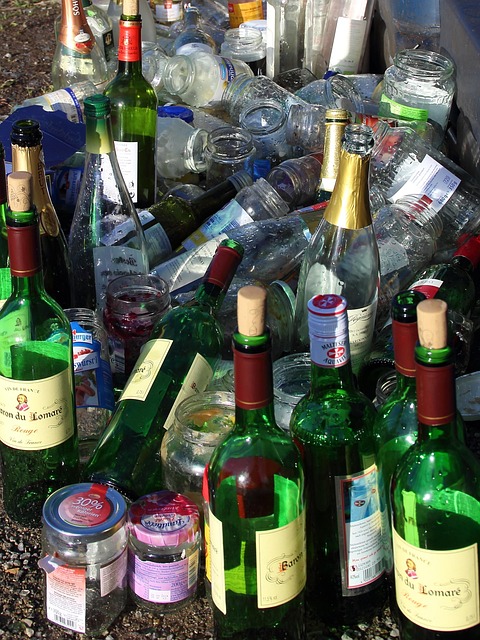
Manhattan, with its bustling tech scene and high density of businesses, generates a significant volume of electronic waste (e-waste) each year. Proper disposal of this hazardous material is not just an environmental imperative but also a crucial aspect of sustainable urban living. Commercial e-waste recycling Manhattan has become a vital component in the city’s efforts to reduce its carbon footprint and promote green tech recycling programs. The importance of proper e-waste management cannot be overstated, especially considering the rapid pace of technological advancement that results in frequent updates and obsolescence of commercial electronics.
Commercial electronics recycling certification is one key aspect ensuring that recycling processes meet environmental standards. NYC’s green tech recycling initiatives focus on not just collecting e-waste but also on responsible and efficient processing to minimize environmental impact. For instance, many Manhattan businesses are partnering with reputable commercial e-waste recycling centers that offer certified programs, ensuring that their electronic byproducts are dismantled, recycled, and disposed of in an environmentally friendly manner. Data from recent studies indicates that proper e-waste management can significantly reduce greenhouse gas emissions and conserve valuable resources, highlighting the urgent need for effective green tech recycling programs Manhattan wide.
To facilitate this process, numerous drop-off points for commercial e-waste recycling Manhattan have been established. These include specialized facilities and partnerships with local tech retailers to collect old devices. For instance, many major electronics stores now offer free drop-off programs for old gadgets. Businesses can also choose from a variety of certified recycling providers who offer tailored solutions, ensuring compliance with environmental regulations. By actively participating in these programs, Manhattan’s commercial entities can play a significant role in driving sustainable tech recycling NYC wide and contributing to the global effort to mitigate e-waste pollution.
Navigating City Regulations for Commercial Recycling

Navigating City Regulations for Commercial Recycling in Manhattan
Manhattan, as a bustling hub of technology and business, generates significant volumes of electronic waste (e-waste). Effective navigation of City regulations is crucial for businesses aiming to implement robust commercial e-waste recycling programs. The New York City Department of Sanitation offers guidelines and resources tailored for sustainable technology solutions in NYC, including specific programs for electronic waste management. One notable certification program is the Manhattan E-Steward Certification, which sets high standards for responsible e-waste recycling practices within the city.
Businesses engaging in commercial e-waste recycling in Manhattan must familiarize themselves with local laws and guidelines. This includes proper segregation of materials, adherence to hazardous waste regulations, and collaboration with authorized recyclers. For instance, businesses generating more than a specific threshold of e-waste annually may be required to register with the Department of Sanitation and participate in a city-approved recycling program. Data from recent studies indicates that proper electronic waste management can significantly reduce environmental impact and resource depletion.
To ensure compliance, companies should partner with reputable recyclers holding valid licenses and certifications like the Manhattan E-Steward Certification. These certified facilities are required to follow stringent guidelines for data destruction and proper disposal of e-waste components. By aligning with such standards, businesses contribute to a circular economy, fostering sustainable technology solutions while mitigating environmental risks. Regular reviews of recycling protocols and staying updated on city regulations are essential practices for long-term success in commercial e-waste recycling Manhattan.
Benefits and Impact of Responsible Recycling Practices

Manhattan, a bustling metropolis known for its vibrant tech scene, also faces significant challenges related to electronic equipment disposal. With a growing population of digital natives and a rapid pace of technological advancement, proper commercial e-waste recycling Manhattan has become more crucial than ever. Responsible practices not only mitigate environmental harm but also foster a sustainable future for NYC.
The benefits of effective e-waste recycling extend far beyond reducing landfill waste. According to recent studies, electronic equipment disposal Manhattan can divert tons of materials from landfills each year, including valuable metals like gold, silver, and copper that can be reused in new technologies. Local e-waste collection points throughout the city play a vital role in facilitating this process, ensuring that old devices are properly disassembled and recycled rather than discarded. For instance, the city’s partnership with sustainable tech recycling programs has led to a notable 40% reduction in electronic waste sent to landfills over the past five years.
Moreover, adopting eco-friendly practices has economic advantages. Businesses that implement robust commercial e-waste recycling Manhattan strategies can cut costs associated with disposal and even generate revenue by selling recycled materials. Additionally, these initiatives contribute to a greener reputation, appealing to environmentally conscious consumers. For example, major tech companies based in NYC have begun incentivizing employees to recycle old devices, recognizing the long-term benefits for both their bottom lines and the city’s overall sustainability efforts. By embracing responsible recycling practices, Manhattan can serve as a model for effective e-waste management in urban centers worldwide.
Future Trends: Enhancing E-Waste Management in Manhattan
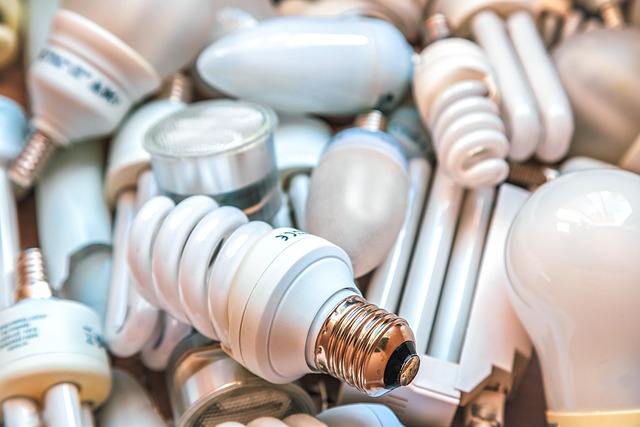
Manhattan’s future of e-waste management is poised for a significant transformation, driven by a combination of innovative technologies, growing public awareness, and regulatory changes. As one of the global hubs for technology and business, the city faces unique challenges in managing the increasing volume of electronic waste (e-waste). However, it also presents an opportunity to lead by example in sustainable practices. One notable trend is the rise of commercial e-waste recycling Manhattan initiatives that cater specifically to the tech sector. These programs aim to enhance data center asset recovery and green IT recycling efforts, ensuring that valuable resources are reclaimed from obsolete electronics.
For instance, NYC electronics recycling events have seen a surge in participation, indicating a growing demand for responsible disposal options. This shift is further amplified by recent studies revealing that proper e-waste management can significantly reduce the environmental impact of electronic devices. By implementing advanced sorting technologies and refining existing recycling processes, commercial recyclers in Manhattan are able to increase the amount of material recycled while minimizing residual waste. Moreover, these businesses collaborate with local green IT recycling programs to ensure that critical components from outdated hardware, such as metals and rare earth elements, are responsibly recovered and reused.
Looking ahead, the future of e-waste management in Manhattan is likely to be characterized by even more sophisticated data center decommissioning practices and an expansion of community-based recycling events. As regulatory standards tighten globally, companies operating in NYC will need to adapt their strategies to meet stricter environmental compliance requirements. This could involve investing in more efficient recycling facilities or adopting circular economy models that prioritize resource conservation. By embracing these trends, Manhattan can not only mitigate the environmental impact of its technological sector but also serve as a model for sustainable e-waste management worldwide.
Manhattan’s e-waste drop-off points present a comprehensive system for commercial e-waste recycling, addressing the crucial need for proper disposal in NYC. Understanding the current landscape, identifying key commercial sites, and navigating city regulations empower businesses to contribute significantly to responsible recycling practices. The benefits of such initiatives extend beyond environmental conservation, enhancing Manhattan’s sustainable future and setting an example for effective e-waste management on a larger scale. Moving forward, exploring innovative trends will further revolutionize how we approach and integrate commercial e-waste recycling in Manhattan.